
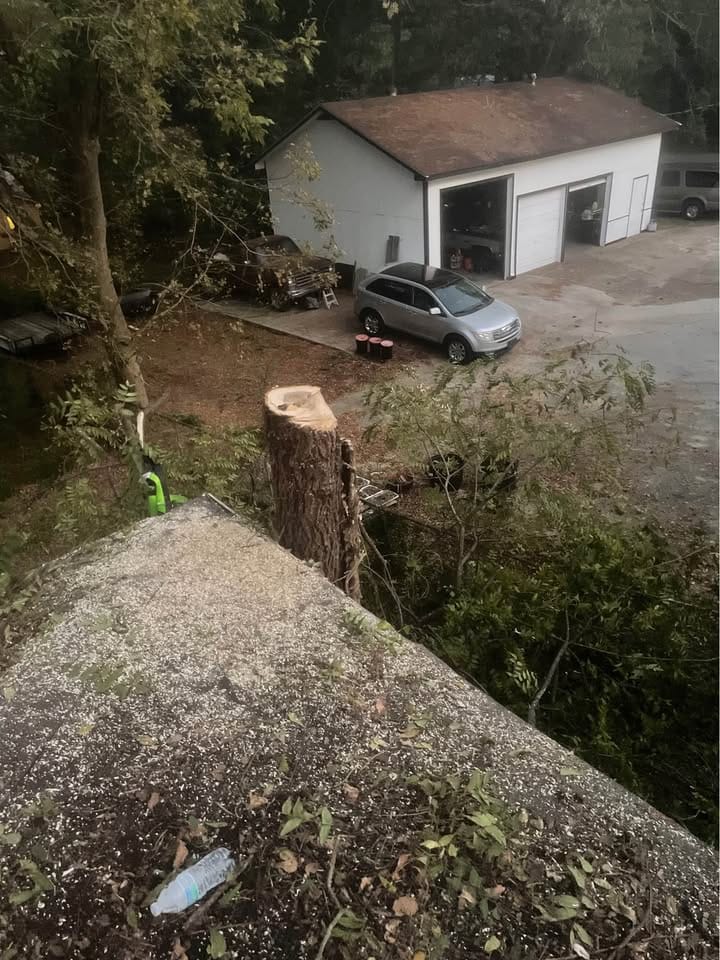
Ever looked at that overgrown tree in your yard and thought, “This weekend, you’re coming down,” only to hear the cheerful chirping of a family of birds from its branches? Yeah, we’ve been there too. It’s a classic Los Angeles standoff: your landscaping ambitions versus Mother Nature’s nursery. Timing your tree work is everything, and getting it wrong isn’t just a bummer for the birds—it can land you in some seriously hot water with the law.
Let’s talk about how we can be good stewards of our urban forest and avoid those hefty fines, all while keeping our properties looking sharp. As the team at ClearWay Tree Trimming Solutions, we navigate this delicate balance every single day.
Why Do Birds Get All the Legal Privileges Anyway?
It might feel like a bunch of bureaucratic red tape, but these laws exist for a seriously good reason. Many of our native bird species are protected by federal acts, like the Migratory Bird Treaty Act. This isn’t just a suggestion; it’s a full-on federal law that makes it illegal to take, possess, or destroy the nests or eggs of native birds without a permit.
Think of it this way: that messy nest is a temporary nursery. Disturbing it doesn’t just inconvenience the birds; it can wipe out an entire generation of local wildlife. We’ve seen it all—from dedicated robins raising their second brood of the season to frantic hummingbirds protecting a nest the size of a golf ball. It’s our job to work around them. IMO, sharing our space with these creatures is a small price to pay for a healthier ecosystem.
So, When Exactly is “Open Season” for Tree Work?
This is the million-dollar question, and the answer isn’t a single date on the calendar. The general rule of thumb in Southern California is to get your major tree cutting and trimming done during the dormant season, which typically runs from late fall through mid-winter.
The high-risk nesting season, when you need to be extra cautious, is generally from spring through late summer.
To make it easier, here’s a quick guide to the nesting timelines for some of our most common local residents:
| Bird Species | Typical Nesting Season (SoCal) | Nest Location & Notes |
|---|---|---|
| American Robin | March – July | Often in the crook of tree branches. Known for multiple broods per season. |
| House Finch | February – August | Nests in dense shrubs, vines, and trees. A very common backyard nester. |
| Allen’s Hummingbird | November – June | Nests on slender, sheltered branches. The nest is tiny and incredibly well-camouflaged. |
| Mourning Dove | February – October | A famously clumsy nest builder. Their flimsy stick nests can be almost anywhere! |
| California Scrub-Jay | March – July | Builds sturdy cups of twigs in trees or dense shrubs. |
| Northern Mockingbird | February – August | Nests in thickets and shrubs. Highly protective of their territory! |
FYI, this table is a guideline, not a guarantee. Weather patterns can shift these timelines, and some ambitious birds might start early or have a late clutch. The absolute best practice? Conduct a thorough nest check before you even think about starting any work.
What Happens if You Ignore the Rules? Let’s Talk Fines.
Okay, let’s get serious for a moment. You might be wondering, “What are the actual chances I’ll get caught?” Honestly? Higher than you think. Besides the ethical weight, the financial and legal penalties are no joke.
We’re not trying to scare you, but you should know what’s at stake:
- Federal Fines: Violating the Migratory Bird Treaty Act can result in penalties of up to $15,000 and even six months in jail for a misdemeanor conviction. Let that number sink in. That’s not exactly an affordable oopsie.
- State and Local Penalties: California has its own robust set of protections for wildlife, which can add additional fines and legal headaches.
And it’s not just the government you have to worry about. Let’s be real, we live in a city of passionate people. A neighbor who sees you taking down an active nest is far more likely to reach for their phone than to give you a thumbs-up. Is risking a five-figure fine really worth not waiting a few weeks?
Your Pre-Work Checklist: How to Be a Nest Detective
So, you’re ready to be a responsible tree owner. Fantastic! Before you call a tree service or fire up your chainsaw, here’s what we do on every single job.
1. The Visual Scan: Carefully examine the tree from multiple angles. Look for dense clumps of twigs, leaves, or grass. Remember, some nests, like doves’, look like a random pile of sticks, while others are masterpieces of camouflage.
2. Listen Closely: Stand quietly near the tree for a few minutes. Do you hear persistent chirping or squawking? Do you see adult birds frequently flying to and from a specific spot with food or nesting material? That’s a dead giveaway.
3. Look for Adult Bird Behavior: If a bird is constantly scolding you from a nearby branch or feigning a broken wing to lead you away, you are standing too close to its nest. Congratulations, you’ve found it!
What happens if you find a nest? The answer is simple: You stop. Immediately. You must postpone your tree trimming or tree removal project until the nest is naturally vacated and the fledglings have left for good. This usually takes a few weeks.
When It’s Safe to Proceed: Working with the Pros
Once you’re confident the coast is clear, that’s when you can safely plan your project. This is where finding the right local partner makes all the difference. A reputable tree trimming service in Los Angeles won’t just send a crew with a chainsaw; they’ll send a certified arborist or a trained professional who knows how to conduct that crucial nest check.
This expertise is exactly why companies like ours exist. At ClearWay Tree Trimming Solutions, our tree trimmers are trained in wildlife awareness. We make that initial assessment part of our standard estimate process. It protects you, protects the wildlife, and ensures our work is done responsibly. It’s a core part of our tree service, not an afterthought.
And while we’re on the topic, let’s tackle a common question: what about palm tree removal? Palms can be notorious for hosting all sorts of wildlife, and their dense fronds make nest spotting a real challenge. This is one of those jobs where you absolutely want a professional tree service to handle it.
Your Top Tree & Nesting Questions, Answered
We hear these all the time, so let’s clear a few things up.
1. A nest was built in a tree that is dangerously dead or damaged. What can I do?
This is a tricky situation that requires a professional. You cannot simply remove it yourself. Your best course of action is to contact a certified arborist and your local wildlife agency. They can sometimes issue a permit for relocation by a licensed specialist. This is a scenario where calling a company like ClearWay is your first step—we can assess the tree and help guide you on the proper legal channels.
2. The birds have left the nest. Is it safe to remove it now?
Yes, once the nest is truly inactive—meaning the eggs have hatched, the young have successfully flown away, and the parents are no longer tending to it—you are in the clear. It’s always a good practice to watch for a day or two to be certain. An old, empty nest can (and should) be removed.
3. I just need a simple trim. Do these rules still apply?
Absolutely. Even minor trimming can disturb or destroy a nest, crush eggs, or separate fledglings from their parents. The scale of the work doesn’t change the law or the impact on the birds. A responsible tree trimming service will always check first, whether it’s a major removal or a light prune.
Wrapping It All Up: Good Karma and Healthy Trees
Navigating bird nesting seasons might seem like a hassle, but it’s really about being a good neighbor—to both the wildlife and the people around us. A little patience goes a long way. By planning your tree work for the late fall and winter, you avoid the conflict entirely, making your life easier and giving our feathered friends a fighting chance.
And when you do need to hire a tree service, don’t just search for “tree cutting near me” and pick the cheapest option. Ask them about their policy on bird nests. Their answer will tell you everything you need to know about their professionalism and ethics.
We believe that an affordable tree service shouldn’t cut corners on safety or legality. At ClearWay Tree Trimming Solutions, whether it’s a routine trim, a complex tree removal, or even stump removal after the fact, we handle it with care and respect for the law. It’s the only way we know how to operate.
So, let’s keep our trees beautiful and our birds singing. If you’re looking at your property and need some expert advice, give us a call. We’re here to help you do it the right way.
