
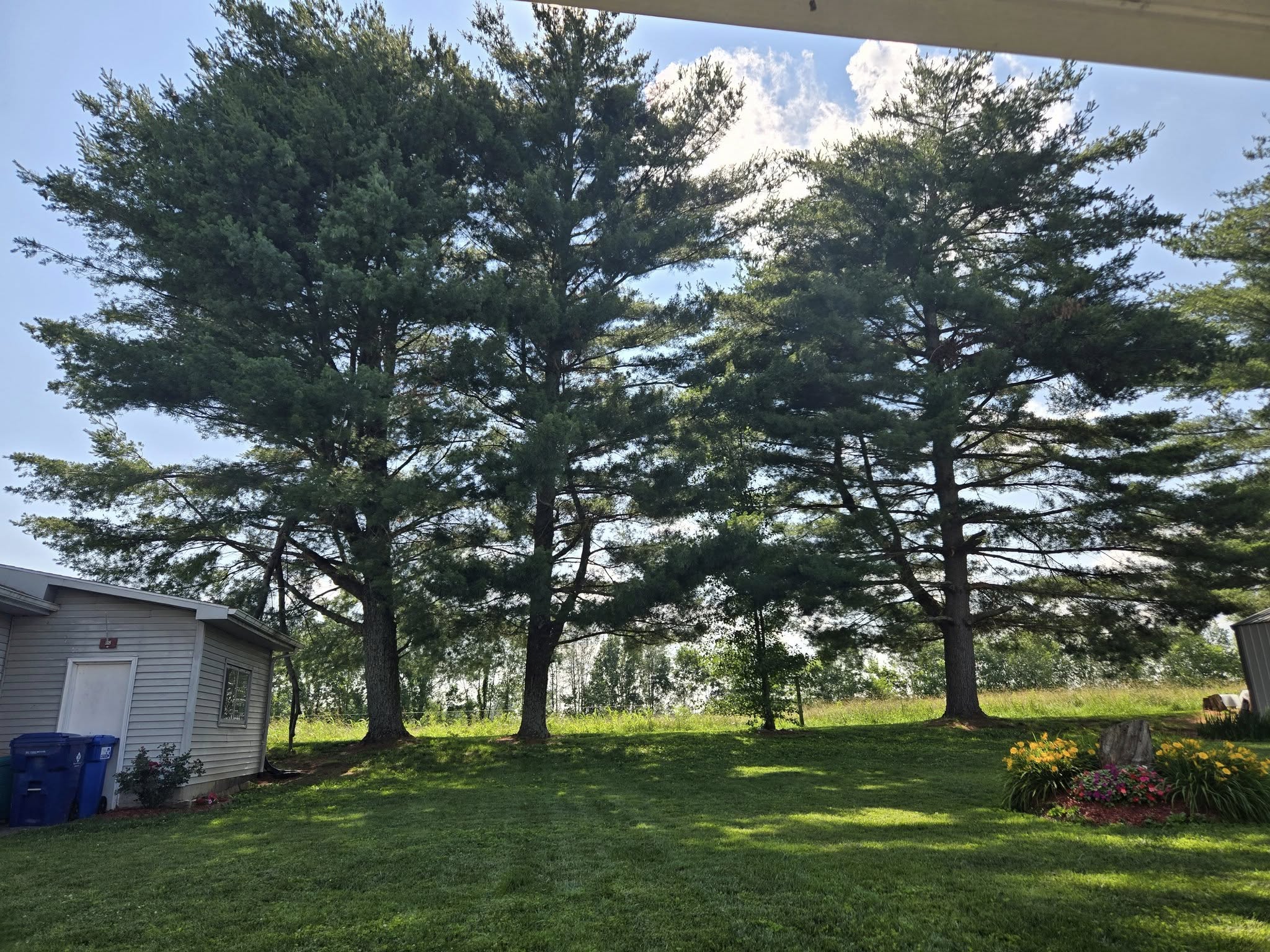
Let’s be honest, we’ve all been there. You head to the nursery, fall in love with a gorgeous tree, and picture it majestically shading your patio for years to come. Then you get it home, plant it, and realize you’ve just adopted a high-maintenance diva that demands more water, more pruning, and more overall attention than your actual pets. Oops.
Choosing the right trees for our Los Angeles yards shouldn’t feel like a part-time job. With our unique climate—let’s call it “sunny with a chance of drought”—we need trees that are more chill, the kind that thrive with a little benign neglect. We’re going to walk through some of the best low-maintenance contenders that will make your yard look incredible without you having to become a full-time arborist.
What Makes a Tree “Low-Maintenance” Anyway?
Before we start naming names, let’s get on the same page about what we’re actually looking for. IMO, a truly low-maintenance tree checks a few key boxes.
- Drought-Tolerant: This is non-negotiable in SoCal. A tree that can handle our dry spells without needing a daily IV drip from your hose is a keeper.
- Slow-Growing or Naturally Well-Formed: Fast-growing trees often mean weak wood and a constant battle to control their size. We want trees that grow at a manageable pace and don’t require a tree trimming service every other month to keep them from swallowing your house.
- Pest and Disease Resistant: Because who has the time or the budget for constant treatments?
- Minimal Mess: Some trees are gorgeous but drop enough leaves, flowers, or seed pods to create a daily cleanup nightmare. We’re aiming for beauty without the baggage.
Our Top Picks for LA’s Low-Maintenance All-Stars
Alright, let’s get to the good stuff. Here are some of our favorite trees that consistently prove they’re up for the LA lifestyle.
The California Native Champions
These trees are literally made for this place. They’ve been thriving here long before our sprinkler systems were even a glimmer in an engineer’s eye.
Western Redbud (Cercis occidentalis)
This small tree is a absolute stunner. In early spring, it erupts in a cloud of vibrant magenta-pink flowers that look incredible against its heart-shaped leaves. It’s tough as nails once established and is perfectly happy with our native soil and minimal summer water.
Toyon (Heteromeles arbutifolia)
Also known as California Holly, this is a fantastic evergreen choice. It boasts clusters of cute white flowers in summer that turn into brilliant red berries in winter—a total holiday showstopper and a magnet for local birds. It’s fire-resistant, drought-tolerant, and just an all-around hero.
The Tough & Beautiful Mediterranean Favorites
Hailing from climates similar to ours, these trees feel right at home in Los Angeles.
Olive Tree (Olea europaea)
Is there anything more classically Californian than the silvery-green foliage of an olive tree? They are the definition of elegant, low-water landscaping. Just a heads-up: some varieties can be messy with their fruit, so look for a fruitless cultivar like ‘Swan Hill’ or ‘Wilsonii’ to avoid that headache. A light annual shaping from a professional tree service like ours at ClearWay can keep its form perfect.
Crape Myrtle (Lagerstroemia)
For a blast of summer color, it’s hard to beat the crape myrtle. These trees are sun-worshippers, pumping out gorgeous crepe-paper-like blooms in shades of pink, red, purple, and white for months. They’re drought-tolerant and have beautiful, exfoliating bark that adds winter interest. A little affordable pruning in the winter keeps them flowering their heads off.
The Surprisingly Low-Key Stunners
These might not be the first trees you think of, but they absolutely deserve a spot on your shortlist.
Japanese Maple (Acer palmatum)
Now, hear us out. While they appreciate a bit of afternoon shade in hotter inland valleys, Japanese Maples are surprisingly low-maintenance when it comes to water and feeding. Their breathtaking, delicate foliage provides a totally different texture in the garden. We love using them as a focal point.
Brisbane Box (Lophostemon confertus)
Need a larger shade tree? This Australian native is a fantastic, underused option. It’s evergreen, has a lovely rounded canopy, and is notoriously pest-free. It even self-sheds its bark, creating a beautiful mottled trunk. It’s a real workhorse that doesn’t ask for much in return.
Your Go-To Guide: Comparing Your Options
Let’s break this down into an easy-to-scan table. This should help you compare your top contenders at a glance.
| Tree Species | Mature Size | Key Feature | Water Needs (Once Established) | Potential “Gotchas” |
|---|---|---|---|---|
| Western Redbud | 10-18 ft. tall & wide | Spectacular pink spring flowers | Low | Can be short-lived (15-20 years) |
| Toyon | 8-15 ft. tall & wide | Winter red berries, bird-friendly | Low to Very Low | Can get leggy without some sun |
| Fruitless Olive | 25-30 ft. tall & wide | Silvery, timeless elegance | Very Low | Roots can be invasive; keep from patios & pipes |
| Crape Myrtle | 10-25 ft. tall & wide | Long-lasting summer blooms | Low | Requires annual pruning for best form |
| Japanese Maple | 6-25 ft. tall & wide | Unbeatable foliage color & texture | Medium | Needs afternoon shade in hot areas |
| Brisbane Box | 30-50 ft. tall & wide | Excellent shade, clean habit | Low | Can be hard to find, but worth it! |
Planting for Success: Set It and (Almost) Forget It
Choosing the right tree is only half the battle. How you plant it sets the stage for its entire life. A little effort now saves you a ton of work later.
First, plant in the fall or winter. This gives the tree’s roots a whole cool season to get established before the summer heat hits. It’s the single best thing you can do for a new tree in our climate.
Second, water deeply but infrequently to encourage those roots to go deep into the ground, making the tree more resilient. And finally, don’t skimp on the mulch! A nice layer of wood chips around the base (keeping it away from the trunk) conserves water, suppresses weeds, and keeps the roots cool. It’s like a cozy blanket for your tree.
When “Low-Maintenance” Still Needs a Little Help
Even the most easy-going trees might need a professional touch once in a while. Maybe it’s a strategic prune to improve its structure, or perhaps a storm branch comes down. This is where knowing a great local team comes in handy.
For instance, while a Crape Myrtle is low-water, a proper pruning job by our tree trimmers at ClearWay Tree Trimming Solutions ensures it doesn’t end up with those ugly “knuckled” cuts you see all over town. We keep it looking natural and healthy.
And let’s talk about the elephant in the room—or rather, the palm tree in the yard. While iconic, many palm species are not exactly low-maintenance. They often need dead fronds removed for safety and appearance. And when the time comes for a palm tree removal, that is absolutely not a DIY job. It’s specialized, dangerous work. That’s a scenario where you definitely want to call the pros.
The Real Talk on Costs
We get it. “Low-maintenance” should also mean “kind to your wallet.” The initial price of a tree can vary, but investing in a quality specimen from a reputable nursery is worth it. FYI, the long-term cost of owning a high-maintenance tree, with its constant water and pruning needs, will almost always exceed the one-time fee for a tree removal when that weak, fast-growing tree finally gives up.
Working with a company like ours for periodic health checks or affordable pruning is a smart investment that protects the value of your tree and your property. It’s always cheaper than emergency tree cutting or stump removal after a preventable disaster.
Answering Your Burning Questions
We hear these all the time from our clients, so let’s tackle them head-on.
1. What’s the absolute most low-maintenance tree for a beginner?
Hands down, the Toyon. It’s a native, so it’s perfectly adapted to our soil and climate. It needs almost no supplemental water once established, doesn’t require pruning to look good, and has zero major pest issues. It’s the ultimate set-it-and-forget-it tree for Los Angeles.
2. I have a small yard/patio. Any options for me?
Absolutely! The Western Redbud and many Japanese Maple varieties are perfect for smaller spaces. You can also explore large shrubs that can be trained as small trees, like the Strawberry Tree (Arbutus ‘Marina’). Always check the mature width, not just the height, before you buy.
3. How often will I really need to trim a low-maintenance tree?
It depends on the tree, but a general rule for these easy-going varieties is every 2-4 years. It’s less about constant size control and more about removing deadwood, improving air circulation, and maintaining a strong structure. A quick search for a trusted tree trimming service near me should connect you with a team that can assess your specific tree’s needs.
Wrapping It All Up
Choosing trees for your yard shouldn’t be a source of stress. By picking one of the low-maintenance champions we’ve talked about, you’re setting yourself up for success. You get all the beauty, shade, and joy a tree provides, without it turning into a relentless chore.
Remember, we’re always here at ClearWay Tree Trimming Solutions to help, whether you need advice on what to plant, a hand with strategic pruning, or to handle the tough jobs like stump removal. Our goal is to help your garden be the beautiful, relaxing retreat it’s meant to be. Now go forth and plant something amazing
